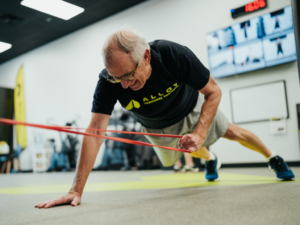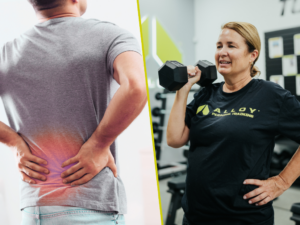
The 7 anti-aging benefits of strength training go far beyond building bigger muscles—they can help support strength, mobility, bone health, metabolic health, and independence as you get older.
Read more: 7 Anti-Aging Benefits Of Strength Training Based On ScienceAging is inevitable, but the way you age is influenced by many factors, including how active you remain. One of the most important forms of exercise for adults in midlife and beyond is resistance training.
Research has consistently shown that strength training can help counter several physical changes associated with aging. That does not mean exercise can stop the aging process. Instead, regular resistance training can help you maintain physical capabilities that often decline when muscles are not challenged.
Whether you are in your 40s, 50s, 60s, or beyond, here are seven science-supported reasons strength training deserves a place in your routine.
7 Scientific Anti-Aging Benefits
1. Strength Training Helps Preserve Muscle Mass
One of the most important anti-aging benefits of strength training is its ability to help maintain muscle. Adults naturally tend to lose muscle mass and strength with age, particularly when they become less active. This age-related decline is often referred to as sarcopenia. Research shows strength training is the only activity proven to slow the progression of sarcopenia and reduce its effects.
Resistance training gives your muscles a reason to adapt. When muscles are challenged progressively through exercises such as squats, rows, presses, and deadlift variations, the body responds by maintaining and, in many cases, building muscle tissue.
Preserving muscle matters for much more than appearance. Strong muscles help you climb stairs, carry groceries, get out of a chair, lift objects, and continue enjoying the activities you value.
The goal is not necessarily to become a bodybuilder. It is to maintain enough strength and muscle to support an active, independent life.
2. Strength Training Supports Stronger Bones
Muscle is not the only tissue that responds to resistance training. Your bones also respond to physical stress with exercises that involve standing, lifting, pushing, pulling, and carrying.
Bone density can decline with age, particularly in women after menopause. Weight-bearing activity and resistance exercise place controlled stress on the skeletal system, helping stimulate the processes involved in maintaining bone strength.
This is one of the most valuable anti-aging benefits because maintaining bone strength becomes increasingly important later in life. Stronger muscles can also improve stability and control, which may help reduce the likelihood of falls.
People with osteoporosis, osteopenia, previous fractures, or other bone-health concerns should speak with their healthcare provider before beginning or significantly changing an exercise program.
3. Strength Training Helps Maintain Metabolic Health
You may have heard that metabolism simply “shuts down” as you get older. The reality is more complicated. Changes in activity levels, muscle mass, eating habits, hormones, sleep, and lifestyle can all influence body composition and metabolic health over time.
Muscle is metabolically active tissue. Maintaining muscle through resistance training can help support healthy energy use and body composition. Muscle also burns more calories than fat. Some examples of benefits of muscle mass include:
- Muscle requires more energy to maintain itself than fat does.
- More muscle raises your basal metabolic rate (BMR) so you burn more energy all day.
- Gaining five pounds of muscle adds an extra 30 to 35 calories burned per day at rest.
- Strength training raises your metabolism like an afterburn effect for hours after you finish lifting.
Strength training may also improve how your muscles use glucose. Research has linked regular resistance exercise with improved insulin sensitivity and better blood-sugar regulation. That makes strength training valuable even if weight loss is not your primary goal.
Instead of thinking only about calories burned during an individual workout, consider the bigger picture: maintaining strong, active muscle helps support overall metabolic health.
4. Strength Training Can Help You Move Better
Being strong is useful only if you can apply that strength to everyday movement.
Another of the major anti-aging benefits of resistance training is the ability to support functional movement. A thoughtful program trains movement patterns you use outside the gym, including squatting, bending, pushing, pulling, carrying, and stabilizing your body.
For example, a squat pattern can help maintain the strength required to sit down and stand up. Carrying exercises can prepare you for groceries, luggage, or household tasks. Rows and presses can support upper-body function.
Strength training can also improve balance and body awareness when exercises are performed with good technique.
This is why effective training after 40 should not simply be about lifting the heaviest possible weight. It should help you become stronger in ways that make daily life easier.
5. Strength Training Supports Joint Function
Many people stop strength training because they believe lifting weights is bad for their joints.
Appropriately programmed resistance training can actually help strengthen the muscles surrounding your joints, providing greater support and stability.
The key is selecting exercises that match your current ability, using appropriate resistance, and controlling each movement.
You do not need to force yourself into a particular exercise simply because it is popular. Squats, for example, can be modified by adjusting depth, resistance, stance, or equipment. The same principle applies to presses, lunges, and other movements.
A qualified coach can help you find variations that challenge your muscles while respecting your individual mobility and training history.
Persistent or unexplained joint pain should be evaluated by an appropriate healthcare professional rather than simply trained through.
6. Strength Training May Benefit Brain Health and Mood
The anti-aging benefits of exercise are not limited to muscles and bones. Research has associated regular physical activity, including resistance training, with benefits for mood, cognitive function, and overall mental well-being.
Exercise can provide a sense of progress and accomplishment. It can also create structure in your week and, when performed in a supportive environment, opportunities for social connection.
Learning exercises and developing new movement skills also requires concentration and coordination. Strength training challenges the brain and body to work together.
No workout is a treatment for a mental health or neurological condition, but regular physical activity can be an important component of a healthy lifestyle.
For many adults, feeling physically capable can also have a meaningful effect on confidence. Becoming stronger often changes what people believe they are capable of doing both inside and outside the gym.
7. Strength Can Help Protect Your Independence
Perhaps the most meaningful benefit of strength training is one that may not become obvious until later in life: independence.
Think about the physical tasks required during a normal day. You need enough leg strength to stand up, balance to navigate stairs, grip strength to carry items, stability to avoid falls, and upper-body strength to push and pull.
These abilities can become more challenging when muscle and strength decline. Regular resistance training helps maintain the physical reserve needed to handle everyday demands.
This may be one of the most powerful anti-aging benefits of all. The goal is not simply to add years to your life. It is to remain capable, active, and engaged during those years.
How Often Should Adults Over 40 Strength Train?
You do not need to strength train every day to benefit. Public-health recommendations generally encourage adults to perform muscle-strengthening activities involving the major muscle groups at least two days per week. Your ideal schedule, however, depends on your experience, goals, recovery, and overall activity level.
Quality matters more than simply accumulating workouts. A well-designed strength program should provide enough challenge to stimulate progress while allowing sufficient recovery between sessions. It should also progress gradually rather than constantly pushing you to exhaustion.
For many adults, two or three focused strength-training sessions each week can provide a practical foundation.
Why Personalized Strength Training Matters
Everyone enters their 40s and beyond with a different exercise history. One person may have trained consistently for decades. Another may be returning after years away from exercise. Others may be managing previous injuries, mobility limitations, or changing goals.
That is why a one-size-fits-all workout is rarely ideal.
At Alloy Personal Training, workouts are designed around the individual and delivered in a small-group environment. Coaches can adjust exercises, resistance, and progression based on each client’s ability and goals while providing the accountability needed to stay consistent.
You still benefit from the energy and support of training with others, but your workout is designed for you.
Why Strength Is an Investment in Your Future
You cannot control every aspect of aging, but you can take steps to maintain your physical capabilities. The anti-aging benefits of strength training include supporting muscle mass, bone health, metabolic health, functional movement, joint stability, mental well-being, and long-term independence.
You do not need to lift extreme weights or spend hours in the gym. What matters most is training consistently, using good technique, progressing appropriately, and following a program that fits your body and goals.
Strength training is not about trying to be younger. It is about becoming stronger for the years ahead.
Scehdule a consultation today with your local Alloy location! If you are new to exercise, have a medical condition, are recovering from an injury, or have concerns about whether strength training is appropriate for you, consult a qualified healthcare professional before beginning a new exercise program.