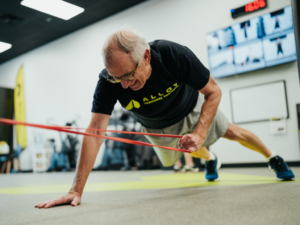
Aging strong starts with building the strength, resilience, and confidence to keep moving well, feeling capable, and enjoying life at every stage.
Read more: Aging Strong Begins With Strength Training and ResilienceStrength training for healthy aging is one of the most powerful ways to build a stronger body, a more confident mindset, and a more resilient life. As we age, our bodies naturally change. Muscle mass can decline. Balance may become more challenging. Energy levels may shift. Everyday activities that once felt simple can start to feel harder.
Aging does not have to mean becoming weaker, less capable, or less active. With the right training, support, and consistency, you can build strength at almost any stage of life. You can improve how you move, how you feel, and how confidently you show up in your daily routine. Strength training is not just for athletes or bodybuilders. It is for anyone who wants to maintain independence, protect long-term health, and continue enjoying the activities they love.
Aging strong begins with building strength, resilience, and confidence one smart workout at a time.
Why Strength Training Matters More as You Age
Strength is more than the ability to lift weights. It is the ability to live well. You use strength every day, often without thinking about it. You use it when you carry groceries, climb stairs, get out of a chair, lift a suitcase, play with your kids or grandkids, work in the yard, or walk confidently across uneven ground.
As people age, maintaining muscle becomes increasingly important. Muscle supports movement, balance, posture, joint health, and metabolism.
When muscle declines, daily life can become more difficult. Tasks may take more effort. Recovery may feel slower. Confidence can decrease. Strength training helps fight that decline.
By challenging your muscles in a safe and progressive way, strength training sends your body a clear message: stay capable, stay active, and stay strong. Over time, this can help improve functional fitness, which is the kind of fitness that supports real life.
The goal is not to train for a mirror or a number on a scale. The goal is to build a body that helps you keep doing the things that matter most.
1. Supports Mobility and Balance
Many people think flexibility is the only key to moving well as they age. Flexibility matters, but strength is just as important.
Mobility is your ability to move your joints through a healthy range of motion with control. Balance is your ability to stay stable during movement. Both depend heavily on strength.
For example, strong legs and hips help you stand up from a chair, climb stairs, and walk with confidence. A strong core supports posture and stability. Strong shoulders and back muscles help you lift, reach, and carry more comfortably.
Without strength, movement can feel uncertain. With strength, movement becomes more controlled.
This is why a well-designed strength training program includes more than isolated exercises. It should train the body to move better as a whole. Squatting, hinging, pushing, pulling, carrying, stepping, and rotating are all movement patterns that support daily life.
At Alloy, training is designed to help clients build strength they can use outside the studio. The goal is not just to complete exercises. The goal is to move better in life.
2. Helps Preserve Independence
Independence is one of the most important reasons to prioritize strength training for healthy aging.
Being independent means being able to take care of yourself, move through your day, and participate in life with confidence. It means carrying your own bags, getting up from the floor, walking without hesitation, and continuing to do the things you enjoy.
Strength supports independence because it gives your body the capacity to handle daily demands.
Think about the difference between struggling to lift a laundry basket and doing it with ease. Or feeling nervous about stairs versus taking them confidently. These may seem like small things, but they add up to quality of life.
Aging strong is not about chasing perfection. It is about protecting your ability to live fully. Strength training helps you invest in the future version of yourself. Every workout becomes a vote for greater independence, confidence, and capability.
3. Builds Resilience
Resilience is the ability to adapt, recover, and keep moving forward. In fitness, resilience means your body is better prepared for the demands of daily life. It means you can handle movement, stress, activity, and recovery with more confidence.
Strength training builds physical resilience by improving muscle strength, joint support, balance, coordination, and movement quality. It can also build mental resilience.
Every workout gives you a chance to practice effort, patience, and progress. You learn that growth takes consistency. You learn that small wins matter. You learn that you are capable of doing hard things. That mindset can carry far beyond the gym.
When you feel stronger physically, you often feel stronger emotionally. You may become more willing to try new activities, return to hobbies, travel, or take on challenges that once felt intimidating. Strength training helps remind you that aging is not about stepping back from life. It is about preparing your body to stay engaged with it.
4. Improves Confidence and Energy
Aging strong is not only physical. It is emotional, too. When you begin to feel stronger, your confidence often grows. You may notice that you stand taller, move more freely, and feel more capable. You may feel proud of keeping a commitment to yourself. You may even begin to see yourself differently.
This confidence can affect your entire day. You may have more energy for work, family, hobbies, and social activities. You may feel more motivated to make healthy choices. You may feel less limited by fear or uncertainty.
Strength training gives many clients a renewed sense of control. Instead of feeling like aging is something that is happening to them, they begin to feel like they are actively participating in their health.
That shift is powerful.
How To Begin Aging Strong Even As A Beginner
One of the biggest myths about fitness is that there is a certain age when it is “too late” to begin. That is simply not true.
1. Start With Professional Guidance And A Plan
People can benefit from strength training at many different ages and fitness levels. The key is starting with the right plan. You do not need to begin with heavy weights, complicated workouts, or intense routines. In fact, the best approach is often the opposite.
Start with movements that match your current ability. Learn proper form. Build confidence. Progress gradually. Stay consistent.
Many adults avoid strength training because they feel intimidated or unsure where to begin. They may worry about injury, embarrassment, or not being “fit enough.” But a supportive coaching environment can make all the difference.
You do not need to figure it out alone. With professional guidance, strength training can be safe, approachable, and empowering.
2. Be Consistent
One of the most important principles of healthy aging is consistency and remember consistency beats Intensity.
You do not need extreme workouts to see meaningful benefits. You need a plan you can follow over time. Training that is too intense, too random, or too complicated can lead to frustration, soreness, or burnout.
A sustainable strength training program should be challenging but appropriate. It should meet you where you are and progress as you improve. It should include enough variety to keep things engaging, but enough structure to help you build real results.
That is why coaching matters. A coach can help you train at the right level, use proper form, and make adjustments when needed. They can also help you stay accountable when motivation dips.
The best fitness program is not the one that pushes you the hardest for two weeks. It is the one that helps you get stronger for years.
3. Include Recovery Time To Build Resilience
As we age, recovery becomes an important part of training well.
Recovery does not mean doing nothing. It means giving your body what it needs to adapt and improve. This can include quality sleep, proper nutrition, hydration, mobility work, and appropriate rest between workouts.
A smart strength training program respects recovery. It balances effort with progression. It challenges the body without overwhelming it. This is especially important for adults who may be managing busy schedules, stress, previous injuries, or changing energy levels.
At Alloy, coaches understand that every client is different. Some days you may feel strong and ready to push. Other days you may need a modification. Personalized attention helps make those adjustments possible.
That is one of the reasons coached training can be so effective. It is not just about what exercise is on the plan. It is about how that exercise is applied to the person in front of the coach.
Why Personalized Training Matters
No two clients age the same way. Your goals, history, fitness level, schedule, injuries, preferences, and confidence all matter. A generic workout cannot account for all of those factors. Personalized coaching can.
Personalized training helps ensure that your workouts are appropriate for your body and your goals. It allows exercises to be modified when needed and progressed when you are ready. It also helps you understand why you are doing what you are doing. That understanding builds confidence.
Instead of guessing your way through workouts, you have a clear plan. Instead of wondering whether you are doing too much or too little, you have a coach guiding the process. Instead of feeling alone, you have support.
For aging strong, personalized attention is invaluable.
How Alloy Helps Clients Age Strong
At Alloy Personal Training, our philosophy is built around helping clients train smarter, move better, and build lasting strength. We focus on personalized programming, expert coaching, and a supportive small-group environment that gives clients the attention and motivation they need without the intimidation of a traditional gym.
Our approach is designed to meet clients where they are. Whether you are new to strength training, returning after time away, or looking to stay active as you age, Alloy coaches help guide you through safe, effective workouts built around your goals.
Clients benefit from personalized attention, proper form coaching, smart progressions, and modifications when needed. The small-group personal training model creates accountability, motivation, and community while still allowing coaches to tailor the experience to each individual.
That combination is what makes Alloy different. You are not left alone to figure out which exercises to do. You are not forced into a one-size-fits-all routine. You are not just another face in a crowded gym.
You are coached. You are supported. You are known.
Aging Strong Starts Today
Aging strong is not about fighting age. It is about building the strength, resilience, and confidence to live well at every stage.
Strength training helps you move better, feel better, and stay more capable in daily life. It supports independence, energy, balance, mobility, and confidence. Most importantly, it gives you a proactive way to invest in your future health.
At Alloy Personal Training, we help clients experience those benefits through personalized programming, expert coaching, and the supportive attention needed to train safely and consistently. Our philosophy is simple: when training is built around the individual, results become more sustainable.
Aging strong begins with one decision: choosing to take care of your body today so it can keep supporting the life you want tomorrow.
Ready to build strength, resilience, and confidence? Find an Alloy Personal Training studio near you and discover how personalized coaching can help you age strong, move better, and feel your best.