Starting a fitness journey is exciting, but can also feel a little overwhelming, especially if you’re stepping into your first small group training session.
Whether you’ve never exercised before or are returning after some time off, it’s completely normal to feel nervous. But don’t worry! You’re not alone, and small group training is one of the best ways to get fit, build community, and have fun while doing it. This guide will walk you through what to expect, ease any nerves, and help you feel confident and ready for your first session.
What Is Small Group Training?
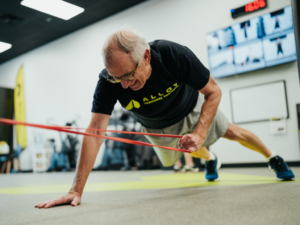
Before diving into the specifics of what to expect, let’s start with a quick overview of what small group training is. As the name suggests, small group training involves a fitness class with a limited number of participants—typically between four to 10 people. This is different from a typical fitness class that might have 20 or more members. The smaller group size allows for more personalized attention from your coach, making it ideal for those who want to get a customized workout experience while also enjoying the energy and camaraderie of working out with others.
1. A Warm, Welcoming Environment
When you walk into your first small group training session, the first thing you’ll notice is how welcoming and friendly the environment is. At Alloy, for example, we make it a priority to ensure that everyone feels comfortable, regardless of fitness level. You’ll likely be greeted with a warm smile and an introduction from the coach, who will make sure you’re settled in before the workout begins. Don’t be afraid to let the coach know that you’re new—that way, they can provide extra guidance and modify exercises if needed.
The other participants are also there to support you. Small group training fosters a sense of community, and everyone, whether they’re a first-timer or a regular, is there to work together, support each other, and motivate one another. You’ll quickly find that you’re part of a group that encourages each other to do their best, regardless of individual skill level.
2. The Coach Will Set the Tone
Your first session will begin with a brief introduction from the coach. They will explain the focus of the session, the structure of the workout, and what you can expect. Whether it’s strength training, HIIT, or a functional fitness class, the coach will walk through the plan, highlighting key exercises and the purpose of each. The coach will also remind you to work at your own pace and focus on proper form, especially if you are new to exercise or returning after a break.
The coach will emphasize that you should listen to your body. Small group training is designed to challenge you, but not in a way that’s overwhelming. You’re encouraged to ask questions, express any concerns, and let the coach know if something doesn’t feel right. Your coach is there to help you succeed, and their goal is to make sure you leave feeling accomplished, not defeated.
3. Warm-Up and Preparation
Warming up is a crucial part of any workout, and small group training is no exception. Expect the coach to guide you through a warm-up that prepares your body for the session ahead. This might involve dynamic stretches, light cardio, or bodyweight exercises designed to get your heart rate up and your muscles activated. The warm-up will also help reduce the risk of injury by ensuring your body is ready for more intense movements.
During this time, take the opportunity to get comfortable with the equipment (if any) and familiarize yourself with the space. If you’re unsure about any of the equipment, ask the coach for clarification—they’re happy to help!
4. Personalized Attention in a Group Setting
One of the biggest benefits of small group training is that you’ll receive personalized attention while still enjoying the energy of a group workout. Since the class size is small, your coach will have time to provide individual feedback on your form and technique. This is especially helpful if you’re just starting your fitness journey or if you’ve been working out on your own but want to ensure you’re doing exercises correctly.
The coach will walk around the room, checking in with everyone to make sure you’re performing each exercise safely and effectively. If you have any concerns—whether it’s a specific injury or a question about how to do an exercise—don’t hesitate to ask for advice. This one-on-one attention will help you build confidence in your movements and make sure you’re getting the most out of your workout.
5. Varied and Fun Exercises
Expect a variety of exercises designed to target different areas of your body and keep things interesting. In a small group session, we will carefully craft the workout to engage all major muscle groups, ensuring each person works at their own pace. Whether you’re doing strength training, bodyweight exercises, or a cardio workout, the coach will provide modifications and progressions for each exercise, so that you can adjust to your fitness level.
For example, if the class is doing squats, a coach might offer a modification for someone with knee concerns, such as a box squat, or a progression for someone who’s more experienced, such as adding weights. No matter where you are in your fitness journey, small group training continually challenges you without overwhelming you.
6. A Focus on Form Over Speed
One of the benefits of small group training is that it emphasizes proper form over speed or intensity. While the goal is to challenge yourself and improve, the coach will remind you that perfecting your form is the key to long-term progress. If you’re new to the exercises, don’t feel pressured to keep up with others or rush through movements. It’s more important to perform each exercise with the correct technique to prevent injury and build strength.
During your first session, focus on learning the basics and moving at a pace that feels right for you. The coach will guide you through each movement and give you feedback on how to improve. With each session, you’ll become more confident in your technique and build strength, endurance, and flexibility.
7. Incorporating Rest and Recovery
Another essential component of small group training is allowing for adequate rest and recovery. After each round or set of exercises, expect short rest periods, during which your coach may offer tips on proper hydration or recovery techniques. These rest periods are important because they give your muscles time to recover so that you can push yourself harder during the next set.
If at any point you feel fatigued or need a longer rest, don’t hesitate to take it. Remember, this session is about your fitness journey, and it’s okay to listen to your body. You’ll find that the coach will support you in doing what’s best for you, whether that’s taking an extra rest or modifying the exercise to suit your needs.
8. The Group Dynamic and Support
One of the most rewarding aspects of small group training is the group dynamic. You’ll find that working out with others can help motivate you, especially when you see your fellow participants pushing themselves. The energy in the room will often lift your spirits and encourage you to keep going, even when you might feel tired or unsure of yourself.
The group will also be a source of support. You’ll see other members helping each other with form corrections, giving high-fives, or offering words of encouragement. It’s not a competitive environment; instead, it’s one where everyone is cheering each other on. This sense of camaraderie is part of what makes small group training so special. You’re not just a number—you’re a valued member of the team.
9. Cool Down
As the workout comes to an end, your coach will guide you through a cool-down and stretching routine. This is just as important as the warm-up, as it helps your body transition from high-intensity exercise to a state of relaxation. Stretching after your workout reduces muscle soreness, improves flexibility, and helps to prevent injuries.
During the cool-down, the coach may lead the group in a series of stretches or breathwork exercises to bring your heart rate back to normal and help you recover. Take this time to reflect on the progress you’ve made during your session and give yourself credit for showing up and doing the work.
10. Feedback and Next Steps
After your first session, your coach will likely ask for feedback on how the session went. They want to know how you felt, if the exercises were challenging enough, and if you need any modifications. This is a great time to share any concerns or ask for advice about how to progress in your fitness journey.
The coach may also provide you with next steps, such as discussing the next session, reassessing, setting new fitness goals, or recommending specific exercises for you to focus on outside of the class. Their goal is to ensure that you feel supported and ready to continue your fitness journey with confidence.
Your first small group training session is just the beginning of an exciting fitness journey. Remember, it’s normal to feel a little nervous, but the coach and other members are there to support you every step of the way. Small group training offers a unique combination of personalized attention, community support, and challenging workouts designed to help you reach your goals and enjoy the process.
So, take a deep breath, show up with an open mind, and know that you’re in a welcoming, encouraging environment. The hardest part is taking the first step, and once you do, you’ll be on your way to a healthier, stronger, and more confident you.